The stain on your ceiling is not under the hole, and that is why leaks get fixed twice
A roof leak is a detective problem before it is a roofing problem. Water gets in at one place, travels somewhere else along the underside of the deck or down a rafter, and shows up on your ceiling in a third place entirely. Fixing what is directly above the stain is the single most common way a leak repair fails.
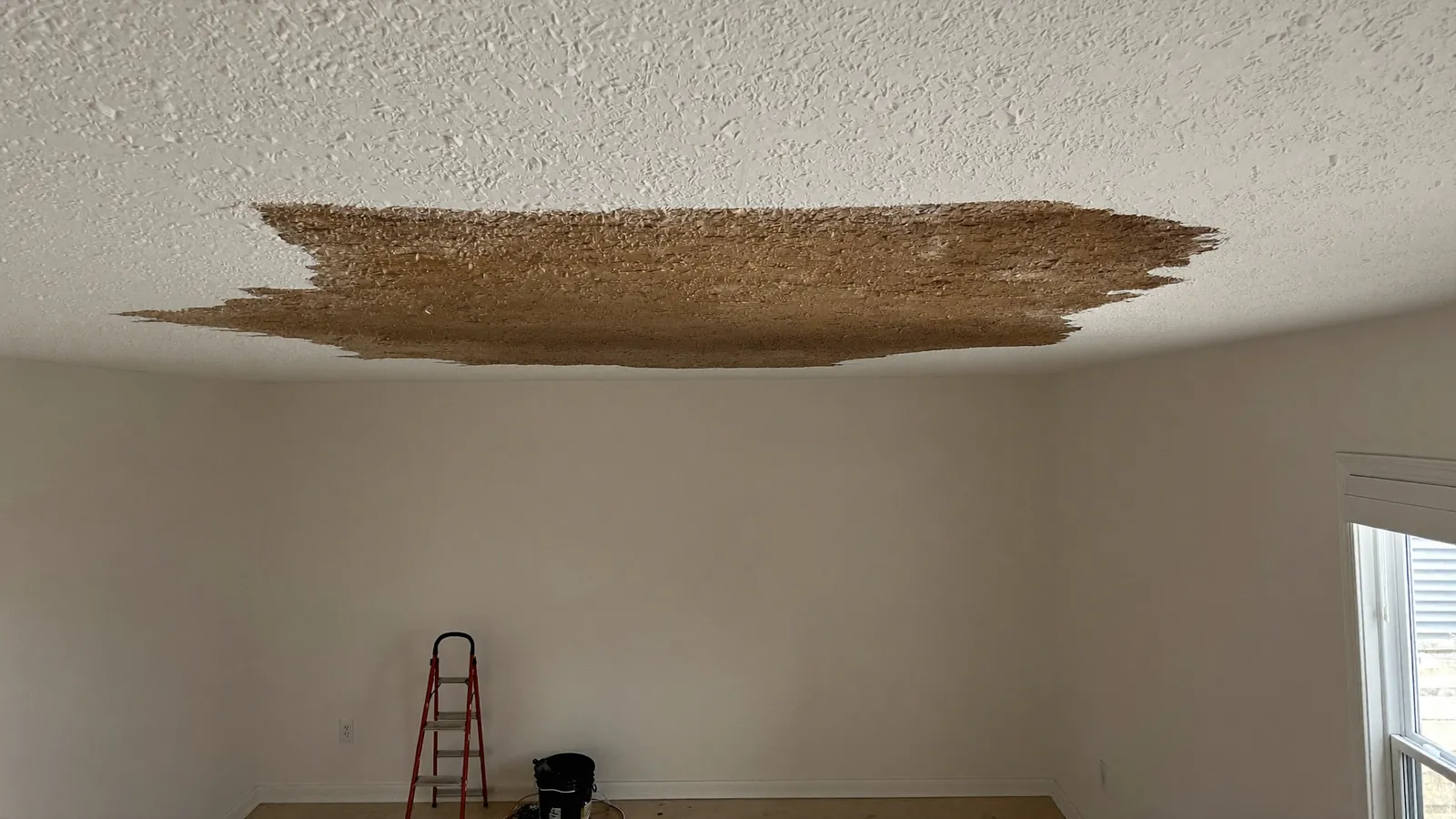
Here is what actually happens. Water finds a gap — a cracked pipe boot, a lifted shingle with an exposed nail, a chimney flashing that has pulled away a quarter of an inch, a valley that was never underlaid properly. It comes through the shingle layer onto the underlayment, finds a seam or a nail hole, and reaches the wooden deck. From there it does not fall straight down. It runs along the underside of the sheathing until it meets a rafter, runs down the rafter until the rafter meets something, and drips. By the time it has soaked through your drywall and made a brown ring, it may be eight or ten feet horizontally from where it started, and often a full storey below.
So we work backwards. In the attic, with a torch, we look for the trail: dark staining on the underside of the deck, rusty nail shanks, wet or discoloured insulation, daylight where there should not be any, and the direction the water has been running. That trail points uphill to the entry. Then we go on the roof and look at exactly that spot. Nine times out of ten it is one of a short list — a boot, a flashing detail, a valley, a nail that backed out, or shingles the wind lifted and resealed badly. On a complicated roof, or where the attic is inaccessible because it is a cathedral ceiling or packed with blown insulation, we will water-test: run a hose on one small zone at a time, starting low and working up, with somebody inside watching. It is slow and it is the only method that is certain.
What to do before we get there. Put something under the drip. If the ceiling is bulging with trapped water, put a bucket beneath it and pierce the centre of the bulge with a screwdriver — releasing it deliberately into a bucket does far less damage than letting the whole section of drywall come down at once. Move anything that matters out from under it. Photograph the stain and anything damaged, with the date, before you clean up; if this becomes a claim you will want that. And do not go up on a wet roof. Tennessee asphalt shingles in the rain are as slick as anything you will ever stand on, and a roof leak is not worth a fall from a one-storey eave, which is plenty high enough to be serious.
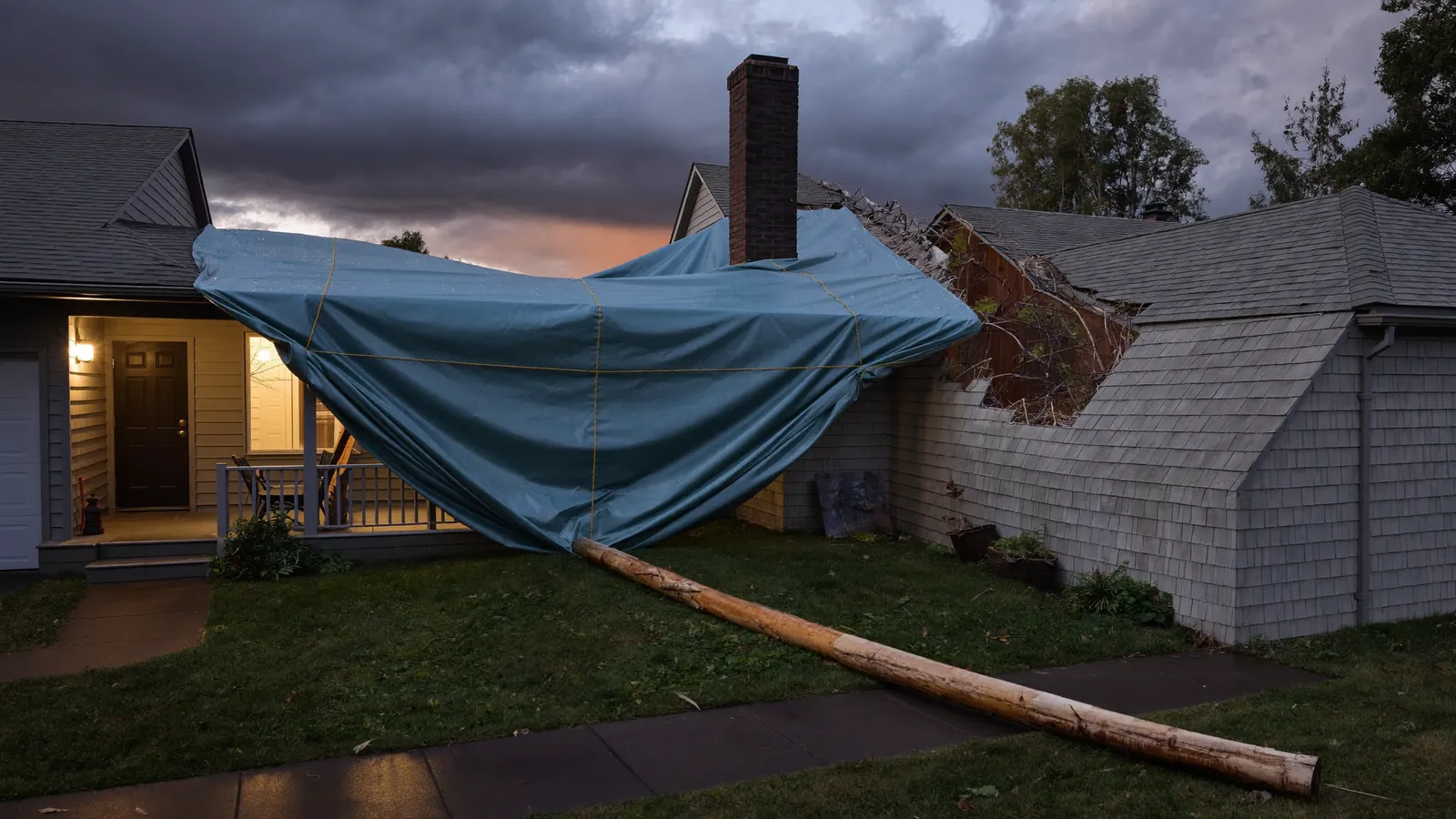
If water is coming in heavily, through a ceiling, down a wall, or near a light fitting, call and say so — that is an emergency tarp, same day, and we stop the water before anybody discusses scope. If it is a slow drip during heavy rain only, it will wait for a dry day, and finding it on a dry day with a hose is usually more reliable anyway.
What's included
Attic first
The trail on the underside of the deck is what points to the entry point. We start there wherever the attic can be reached.
Water testing when needed
On cathedral ceilings and complex rooflines we run a hose zone by zone with somebody watching inside, until it shows itself.
The actual detail repaired
Boot, flashing, valley, nail, or shingle course — replaced properly, not sealed over with mastic that gets through one winter.
Wet decking dealt with
Sheathing that has gone soft gets cut out and replaced. Shingling over wet rotten deck is how the same leak returns in a different spot.
Interior damage documented
Photographs of the staining, the insulation and anything ruined, dated, in case you decide to claim.
Told straight if it is the roof's age
Sometimes a leak is one failed detail on a sound roof. Sometimes it is the third one this year on a roof that is finished. We say which.
Roof leak repair cost in Clarksville, TN
| Job | Typical price | Notes |
|---|---|---|
| Leak inspection and trace, with photographs | Free | Includes attic inspection where accessible |
| Water test on a complex or cathedral roof | $150 – $350 | When the attic cannot be inspected |
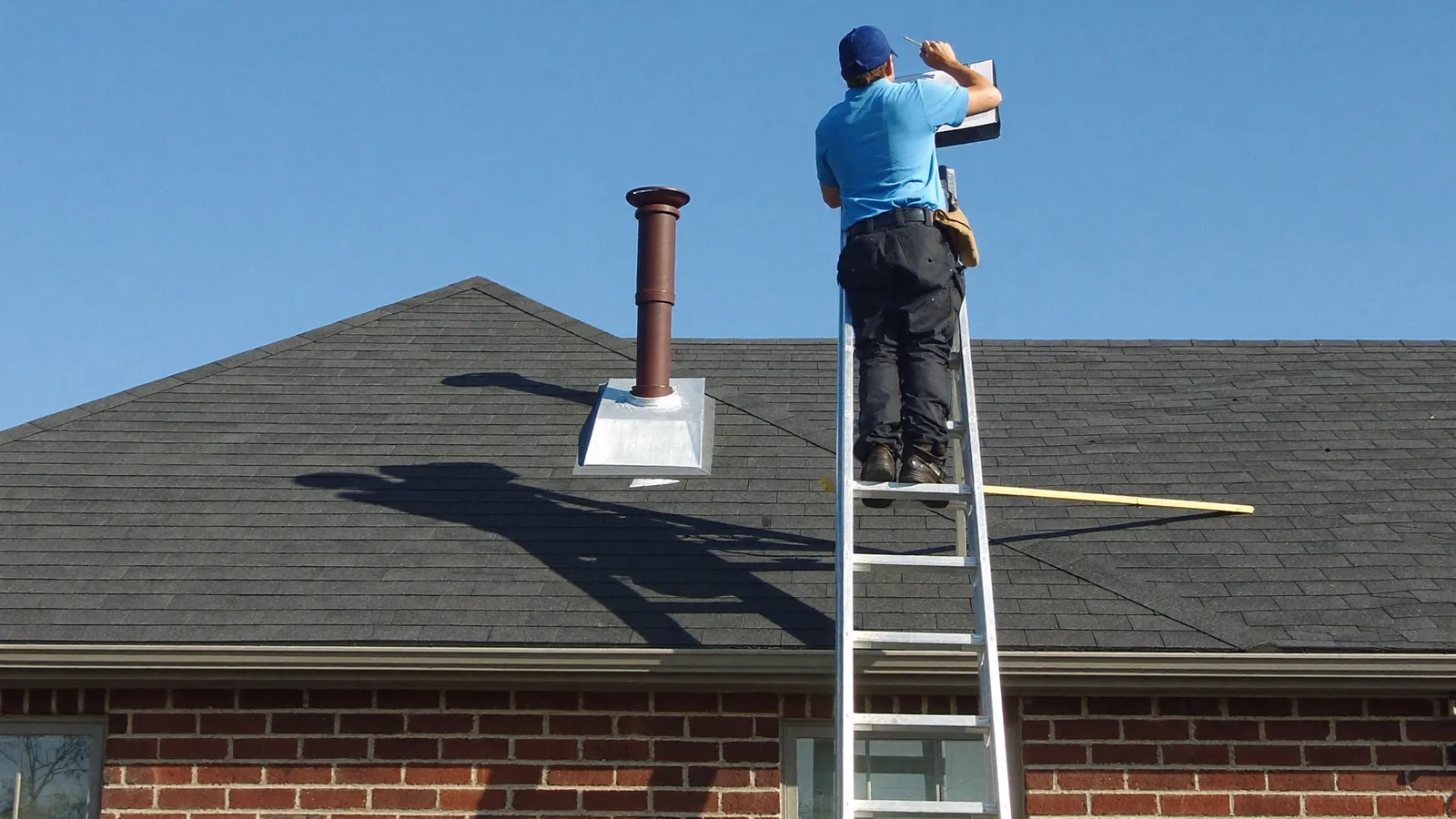
| Pipe boot replacement | $150 – $400 | The single most common leak source |
| Exposed or backed-out nail sealing | $150 – $350 | Often found alongside wind damage |
| Chimney or sidewall flashing repair | $300 – $900 | Step flashing and counter-flashing |
| Valley repair or rebuild | $600 – $2,200 | Length and construction dependent |
| Emergency tarp over an active leak | $350 – $900 | See emergency repair |
| Decking replacement where rot is found | $75 – $160 per sheet | Priced once the shingles are off |
These are 2026 ranges for Clarksville and Montgomery County, meant for budgeting rather than quoting. Pitch, the number of layers to come off, the condition of the decking and the flashing details all move the number. You get the scope and the price in writing after the inspection, and the inspection is free.
Recent work
Questions we get about roof leak repair
Can I just put a bucket under it until the weather clears?
For a slow drip, yes, and that is often the sensible thing — a hose test on a dry day finds a leak more reliably than scrambling on a wet roof at night. But move what matters out of the way, and if the ceiling is holding water in a bulge, pierce it into a bucket rather than waiting for the drywall to let go. If it is running rather than dripping, or it is near wiring, call and we will tarp it tonight.
Why did the last repair not hold?
Usually because it was done above the ceiling stain rather than at the entry point. That is the classic error and it is an easy one to make if nobody looked in the attic. The other common reason is roofing cement smeared over a flashing gap: it works for a season, hardens, cracks, and the leak comes back looking like a new problem.
Could it be condensation rather than a leak?
It can be, and in this climate it is worth ruling out. An under-ventilated attic in a Clarksville winter collects moisture on the underside of cold sheathing, which drips and stains exactly like a leak, except that it tends to be spread over a wide area and worst in cold weather rather than during rain. If that is what we find, the fix is ventilation, not shingles, and it costs a great deal less.
The leak only happens in heavy wind-driven rain. Why?
Because the entry point is probably not an open hole but a lap or a flashing joint that only takes water when rain is driven sideways into it. Wind-driven rain gets under shingle courses and behind sidewall flashing in ways that vertical rain never does. It narrows the search usefully — we look hardest at the elevation the weather came from.
Will you find it in one visit?
Usually, yes. A straightforward leak with an accessible attic is generally traced on the first visit and often repaired the same day. The ones that take two visits are cathedral ceilings, roofs with several layers, and leaks that only appear under particular wind conditions, where a water test has to be set up properly. We will tell you at the first visit which one you have.
How much ceiling damage will I have to repair?
That is a separate trade from roofing and we will not pretend otherwise. What we can do is stop the water, document the damage for a claim, and tell you honestly whether the drywall will dry and repaint or needs cutting out. Insulation that has been soaked generally needs replacing, because wet insulation does not insulate and does not dry well in a closed attic.