Architectural asphalt is what nearly every roof in Clarksville is, and the install decides the lifespan
Dimensional asphalt shingles cover the overwhelming majority of roofs in Montgomery County, on homes with a median build year of 1997. The product is well understood and widely available. What varies enormously, and what actually determines whether you get twenty years or twelve, is how it goes on.
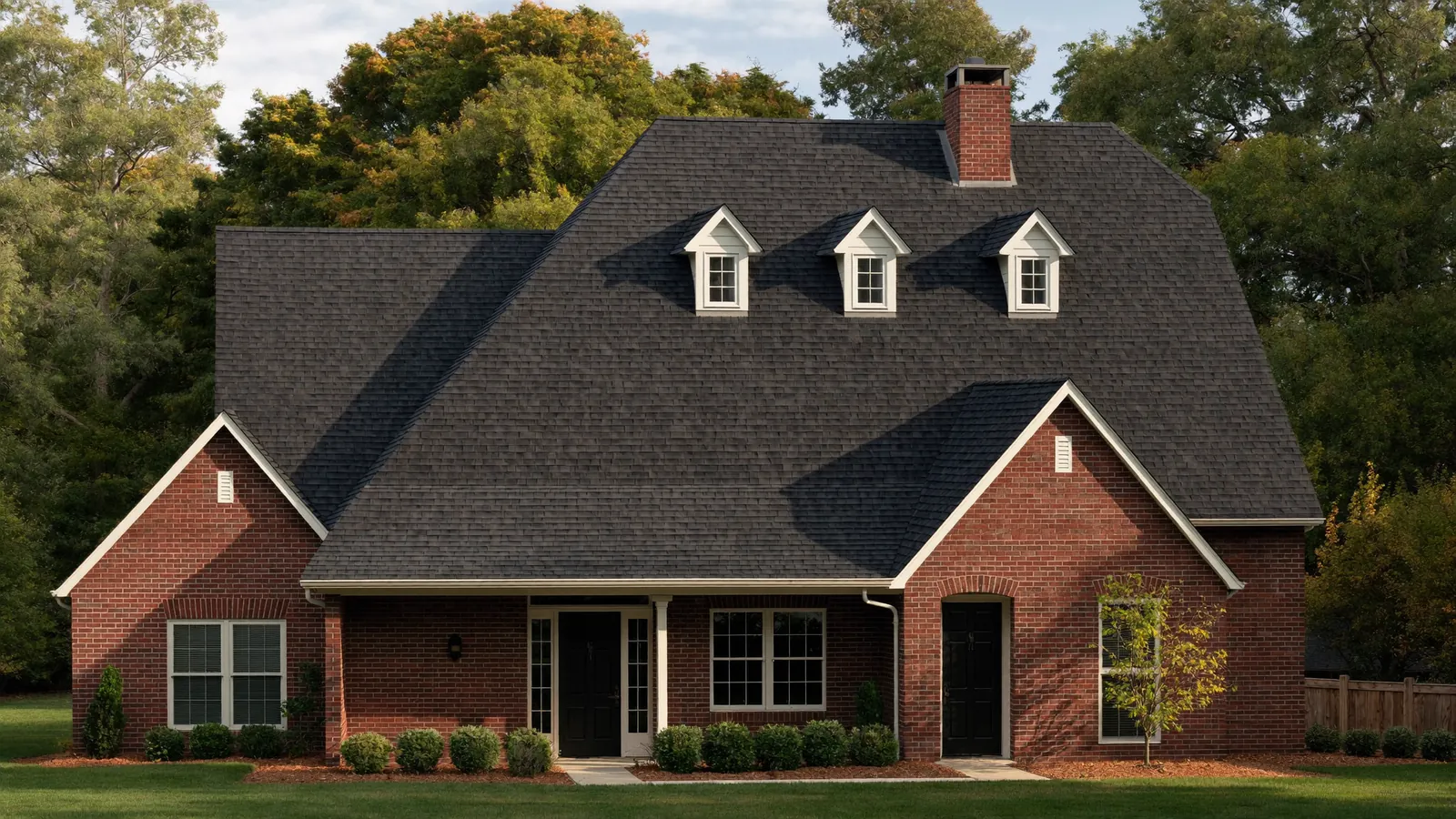
Three-tab or architectural. The older homes around downtown, New Providence and the earlier subdivisions often still carry three-tab shingles — flat, uniform, with cut-out tabs — and almost all of them are being replaced with architectural shingles as they come due. Architectural, also called dimensional or laminated, is two layers bonded together, which gives a heavier shingle, a textured appearance, better wind performance and a longer warranty period. The cost difference is modest and the performance difference is not, so architectural is what we fit unless there is a specific reason otherwise.
What lifespan actually means here. A shingle sold with a thirty-year or lifetime designation does not deliver that in Middle Tennessee. Realistic service life on an architectural shingle in Clarksville is twenty to thirty years, and the lower half of that range is common, because heat, UV and storms are harder on asphalt than the testing conditions behind the warranty figure. The three things that push a roof toward the bottom of the range are an unventilated attic cooking the shingles from underneath, hail events that fracture the mat, and poor nailing. We can only control one of those, so we control it carefully and fix the second one while the roof is open.
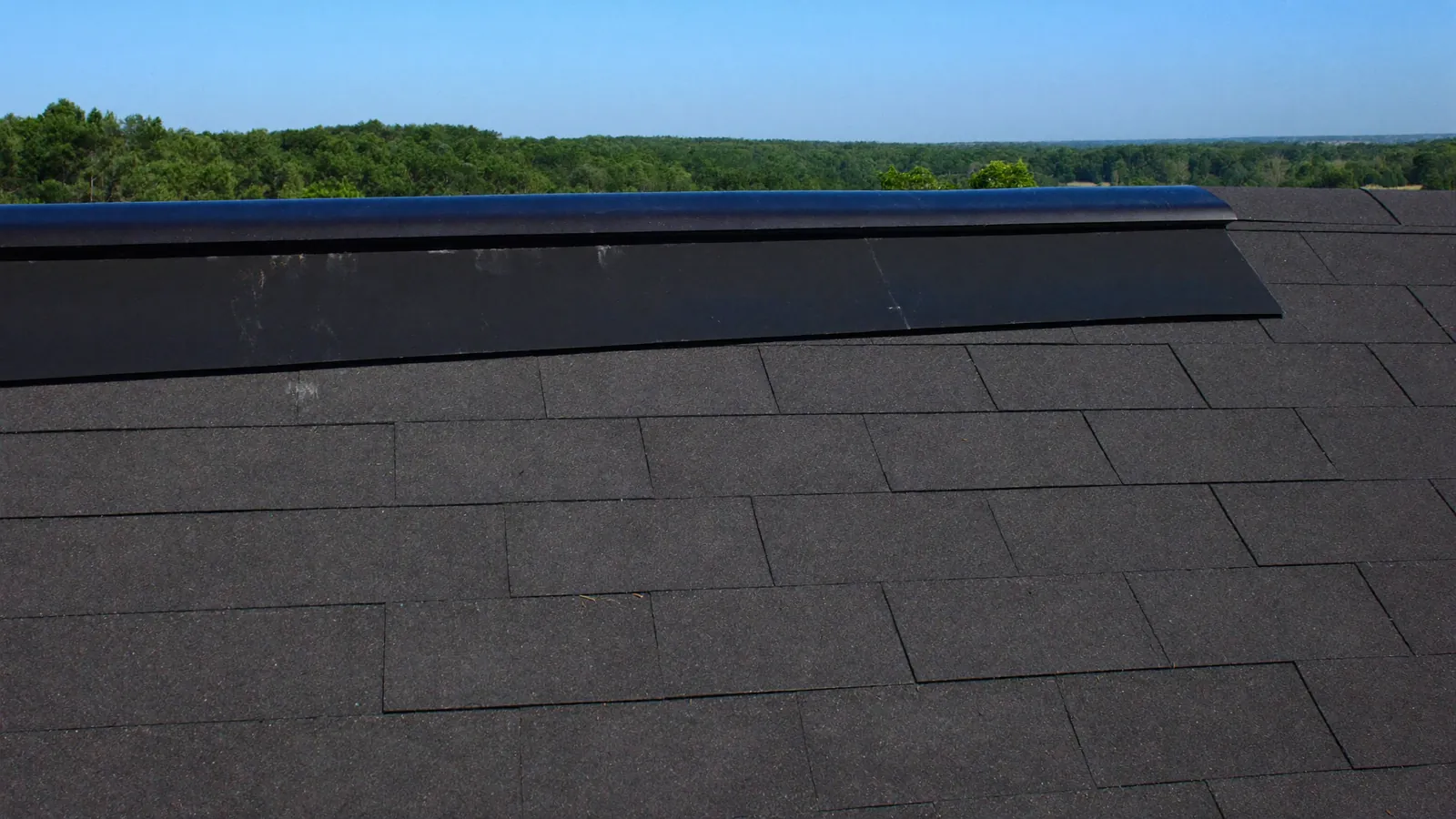
The install details that matter. Nails go in the nailing zone, at the right depth — not overdriven so the head cuts the mat, not underdriven so the shingle sits proud — and in the count the wind rating requires, which is six per shingle on most rated installations rather than four. Ice and water membrane goes into the valleys and around every penetration. Synthetic underlayment covers the field. Starter strip goes at the eaves and up the rakes, which is what actually resists wind uplift at the edges where storms get hold first. Drip edge goes on at eaves and rakes. Step flashing is new, not re-used. None of this is exotic and all of it is routinely skipped, and every one of those omissions is invisible once the next course is laid.
Algae. Dark streaks running down a slope are extremely common here, because humid summers suit the airborne algae that causes them. It is cosmetic. It does not shorten the roof's life and it is not damage, and we will tell you so rather than sell you a roof over it. If the look bothers you, algae-resistant shingles with copper granules are available and worth specifying at replacement time, and existing streaking can often be cleaned, carefully, by somebody who will not blast the granules off.
What's included
Architectural as standard
Dimensional laminated shingles rather than three-tab, for the wind performance and the warranty period.
Nailed where the warranty requires
Correct nail count, placed in the nailing zone at the right depth. This is the detail that voids wind warranties when it is wrong.
Membrane at the vulnerable points
Ice and water barrier in the valleys and around every penetration, synthetic underlayment across the field.
Starter and drip edge
Proper starter strip at eaves and rakes and drip edge throughout, which is what holds the edges down in a Dixie Alley spring.
Ventilation sorted at the same time
Intake and exhaust balanced while the deck is open, because attic heat is what shortens a shingle's life here.
Algae-resistant option
Copper-granule shingles specified where the streaking that this humidity produces would bother you.
Shingle roofing cost in Clarksville, TN
| Job | Typical price | Notes |
|---|---|---|
| Architectural shingles, installed | $350 – $550 per square | A square is 100 sq ft of roof |
| Typical full replacement | $6,700 – $15,000+ | Montgomery County home |
| Tennessee average, 1,700 sq ft roof | $8,518 | Statewide reference figure |
| Upgrade to algae-resistant shingles | Modest premium | Worth it in this humidity |
| Impact-resistant shingles | Quoted on site | May earn an insurance discount; ask your agent |
| Three-tab shingles, installed | $300 – $450 per square | Rarely recommended now |
| Ice and water membrane, valleys and penetrations | Included | Not an upsell |
| Synthetic underlayment | Included | Across the full field |
These are 2026 ranges for Clarksville and Montgomery County, meant for budgeting rather than quoting. Pitch, the number of layers to come off, the condition of the decking and the flashing details all move the number. You get the scope and the price in writing after the inspection, and the inspection is free.
Recent work
Questions we get about shingle roofing
How long will an asphalt shingle roof last here?
Twenty to thirty years is the realistic range in Middle Tennessee, and plenty of roofs land in the lower half of it. Heat and UV are harder on asphalt than the warranty testing assumes, and hail shortens it further. An attic with proper intake and exhaust ventilation is the single biggest thing in your control, which is why we address it during a replacement rather than treating it as an extra.
Is the thirty-year warranty real?
It is a real document with real terms, and the terms are the point. Manufacturer warranties cover defects in the shingle, prorate heavily after the early years, and are conditional on correct installation and adequate ventilation. They do not promise the roof lasts thirty years. Read what it actually covers, and ask separately about the contractor's workmanship warranty, which is a different thing entirely.
What is the difference between three-tab and architectural?
Three-tab is a single flat layer with cut-out tabs and a uniform look. Architectural is two layers laminated together, giving it depth, more weight, better wind resistance and a longer warranty term. The price difference is not large. Nearly every replacement we do in Clarksville goes on as architectural, and most of them are replacing three-tab.
Those black streaks — is my roof rotting?
No. That is algae, it is extremely common in this humidity, and it is cosmetic. It does not affect how the roof performs or how long it lasts. Anybody who tells you streaking means your roof needs replacing is not telling you the truth. If the appearance bothers you, it can be cleaned carefully, and algae-resistant shingles are worth specifying next time round.
How many nails should go in each shingle?
It depends on the product and the wind rating you want, and for most rated installations in this area it is six per shingle rather than the minimum four, placed within the manufacturer's nailing zone. Overdriven nails that cut through the mat and nails placed above the zone are both common and both void wind warranties. It is worth asking any contractor what their nailing spec is.
Can you put a new roof on over the old shingles?
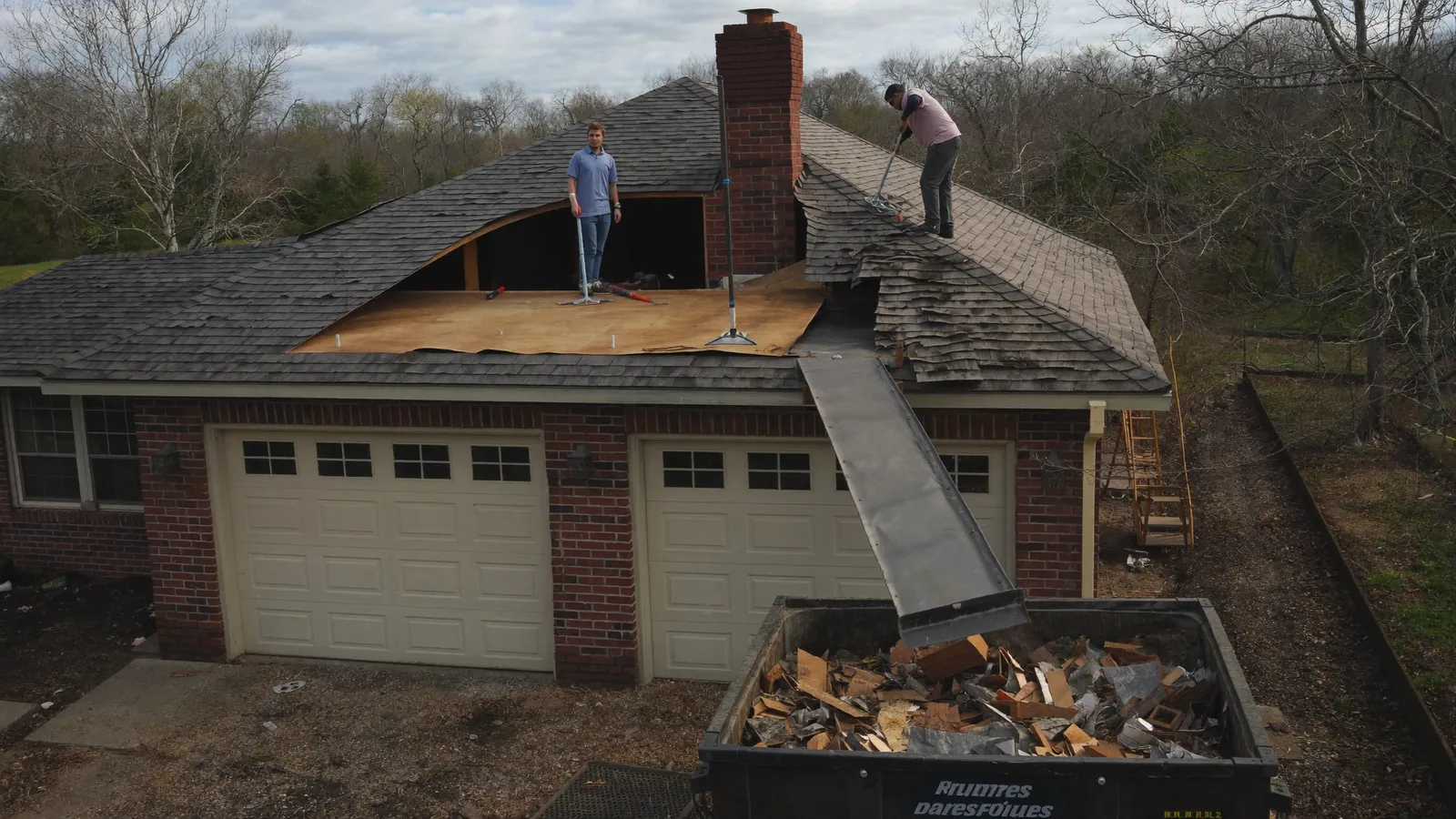
It is sometimes permitted. We do not recommend it and generally will not do it, because you lose the ability to inspect and repair the decking, the trapped heat shortens the life of the new shingles, and the next replacement gets more expensive. See roof replacement for the full reasoning.